
Because great design isn’t just found in showrooms. It’s everywhere.
As interior designers, we’re often asked where we find inspiration. The assumption is usually high-end design books, luxuriously designed spaces, or perfectly styled Pinterest boards. And while those certainly have their place, the truth is, some of the best inspiration comes from the most unexpected, everyday places.
At Piece by Peace Designs, we believe design should breathe new life into the space you love. And often, that inspiration doesn’t come from somewhere far away—it’s already part of your daily routine.
If you start looking closely, you’ll realize that thoughtful design exists all around you. From the grocery store down the street to the airport you’re rushing through, there are endless opportunities to train your eye and spark creativity.
Here’s how to start seeing the world like we do, like a designer.
1. The Grocery Store: A Masterclass in Color & Organization
At first glance, a grocery store may not feel particularly inspiring, but take a closer look.
The produce section alone is a lesson in color theory. Vibrant greens next to deep purples, warm reds against soft neutrals—it’s all about contrast, balance, and visual appeal. Even the way items are grouped together can inspire how you style a kitchen, pantry, or open shelving. But beyond that, packaging throughout the store offers insight into both graphic design and even fashion-inspired color palettes.


Notice how certain brands lean into muted, earthy tones while others go bold and saturated. The typography, layout, and spacing on packaging are all intentional—designed to catch your eye and tell a story.
Pay attention to:
- Color combinations you wouldn’t normally consider
- Repetition and pattern in product displays
- How lighting enhances freshness and texture
- Packaging design (fonts, spacing, composition)
- How products are grouped and styled together
You might just walk away with a new palette for your next project or a new way to style open shelving at home.
2. Airports: Efficiency, Flow & Designing for How We Feel
Airports are designed for one thing above all else: movement.
Every layout decision—from signage to seating arrangements—is intentional and rooted in functionality. Typography, symbols, and color coding all work together to create clarity in what could otherwise feel chaotic.
Beyond function, some airports are beginning to design with emotion in mind. Spaces like Portland International Airport incorporate warm wood tones, natural light, and calming materials to help ease stress and reduce anxiety for travelers. It’s a powerful reminder that design has the ability to influence how we feel in a space—not just how we move through it.
There’s also subtle inspiration in the people themselves—travel style often reflects effortless layering, neutral palettes, and functional beauty (hello, carry-on chic).


As designers, this is a reminder that good design isn’t just about how a space looks, but how it works and feels.
Notice:
- How people naturally move through a space
- The balance between open areas and defined zones
- Wayfinding cues (lighting, flooring changes, signage)
- Materials, lighting, and finishes that affect mood
This kind of spatial awareness translates beautifully into home layouts, especially in high-traffic areas like kitchens and living rooms.
Most importantly, start paying attention to your own response. Do you feel calm? Overstimulated? Grounded? Rushed? We always encourage our clients to notice what’s creating those feelings—and to either bring more of that into their home or intentionally avoid it. Thoughtful design isn’t just visual, it’s deeply personal.
3. Coffee Shops: Designing for Connection, Comfort & Rhythm
Coffee shops offer something different—they’re not just about passing through, they’re about staying, and they’re one of the best places to study ambiance.
Unlike airports or grocery stores, these spaces invite you to settle in, and furniture selection to music to lighting temperature plays a role. Because of that, every design decision supports comfort, connection, and the rhythm of how people spend time.
Think about the subtle zoning within a coffee shop: communal tables for collaboration, small two-tops for conversation, tucked-away corners for quiet work. There’s an unspoken understanding of how each space is meant to be used—and people naturally gravitate toward what suits their mood.


There’s also a sensory layer at play that often goes unnoticed at first. The hum of conversation, the warmth of materials, the softness (or intentional contrast) of lighting, even the spacing between tables—all of it contributes to whether a space feels inviting or overwhelming.
Instead of just observing what you see, start noticing how long you want to stay—and why.
Pay attention to:
- How different seating areas support different behaviors
- The balance between openness and coziness
- Noise levels and how sound travels through the space
- How lighting shifts from day to evening
- The small details that make a space feel personal rather than generic
Coffee shops are a beautiful reminder that great design supports not just aesthetics or function, but experience over time.
In your own home, this might look like creating a quiet corner that invites you to slow down, or a gathering space that naturally brings people together. We always encourage our clients to focus on finding serenity in every space, no matter how big or small.
4. Hotels & Lobbies: First Impressions That Engage Every Sense
Even if you’re just passing through, hotel lobbies are designed to make an impact within seconds.
These spaces are incredibly intentional, from scent to seating to layout. They often blend comfort with sophistication, and they’re a great place to study how designers create a strong point of view that still feels inviting.
One of the most powerful, and often overlooked, design elements in these spaces is scent. Many hotels use signature fragrances to create a lasting emotional connection the moment you walk in. Before you even register the furniture or finishes, your body has already begun to respond.
A warm, subtle scent can make a space feel calming and grounded, while something brighter and more citrus-forward can feel energizing and fresh.
Notice how scent works with the visual design. A space with rich woods and soft lighting might lean into deeper, more grounding notes, while a light, airy space may feel more aligned with crisp, clean fragrances.
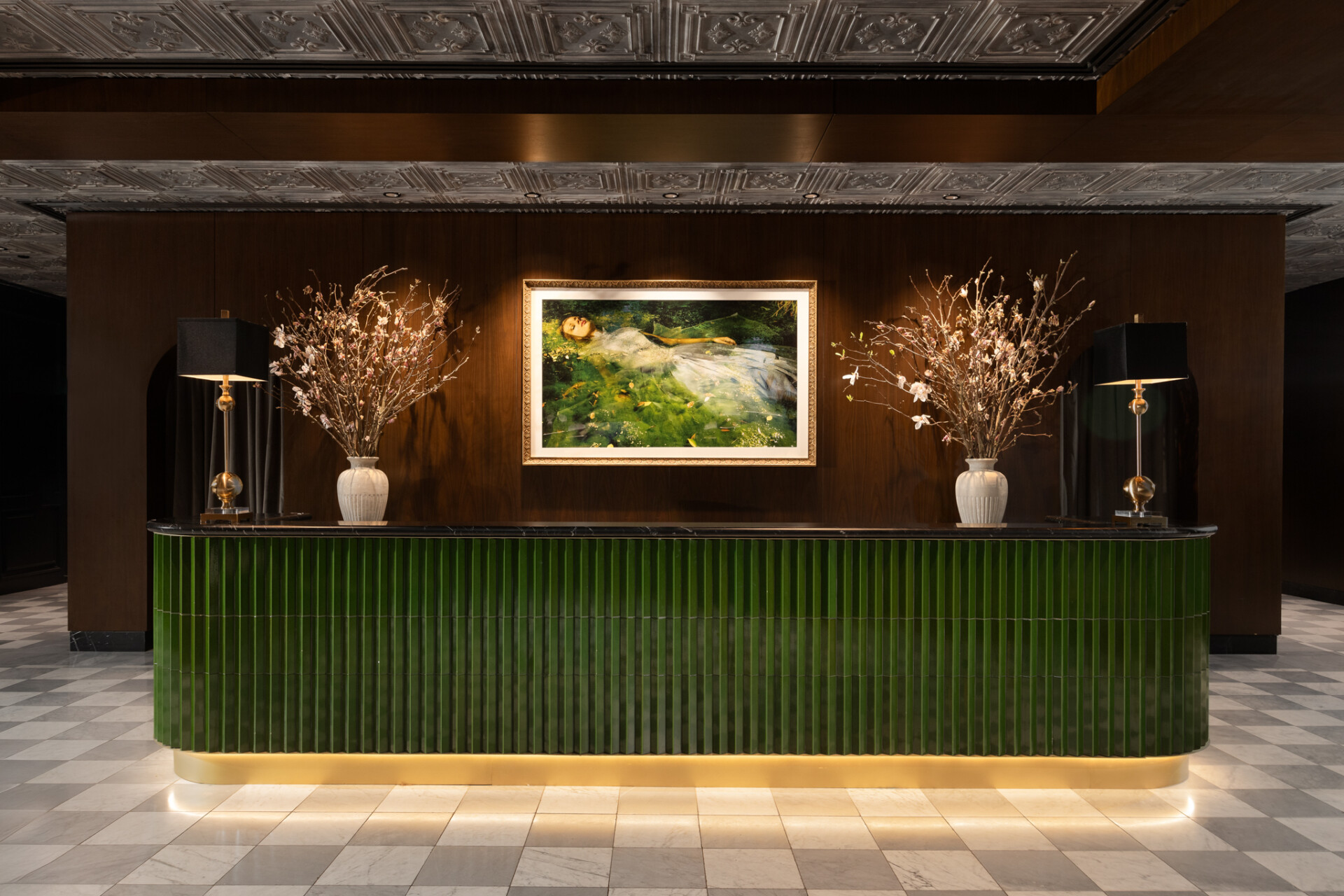


You’ll also notice how fashion subtly plays a role here, through color palettes, material choices, and layered textures that feel curated, much like a well-styled outfit.
Look for:
- How scent makes you feel upon entering a space
- Whether it feels calming, energizing, or overwhelming
- How the scent aligns with the overall design aesthetic
- The subtlety (or intensity) of the fragrance
- Statement pieces that anchor the space
- Layered textures and materials and cohesive color stories
- Balance between function and luxury
This is a beautiful reminder that design isn’t just what we see—it’s what we experience. And in your own home, even something as simple as a candle, diffuser, or fresh air can shift the entire feeling of a space.
5. Retail Stores: Merchandising as Design Inspiration
Retail environments are essentially real-life mood boards.
From clothing boutiques to home stores, everything is styled with intention to tell a story and guide your eye. This is where fashion and interiors intersect most clearly, through color palettes, texture combinations, and seasonal storytelling.
Visual merchandising is especially inspiring because it mirrors what we do in interiors: creating moments, vignettes, and focal points.
Pay attention to:
- How items are grouped to create a story
- Use of symmetry vs. asymmetry
- Color blocking and seasonal palettes
- Layering of textures (just like an outfit)
If it works on a display table, there’s a good chance it can translate beautifully into a coffee table, console, or built-in.


6. Nature & Natural Light: The Ultimate Designer
Of course, some of the most timeless inspiration comes from simply stepping outside.
The way light filters through trees, the softness of neutral landscapes, the organic layering of textures—nature has a way of getting it right every time.
Observe:
- How natural light changes throughout the day
- Earthy, effortless color palettes
- Imperfect, organic textures
When in doubt, nature is always a reliable guide.

Training Your Eye
The key to finding inspiration isn’t about going somewhere special. It’s about seeing differently.
Start asking yourself:
- What draws me to this space?
- Why does this feel good (or not)?
- What specifically is creating that feeling?
- How could this translate into a home?
When you begin to notice these details, everyday moments become creative fuel.
Final Thoughts
Piece by Peace Designs was formed to help create beauty, serenity, joy, and comfort in every space, and that process always begins with inspiration.
Design inspiration isn’t reserved for curated spaces or luxury environments. It’s woven into the rhythm of daily life—you just have to slow down enough to see it.
So next time you’re grabbing groceries, catching a flight, or meeting a friend for coffee, take a moment to look around. You might be surprised how quickly your design perspective begins to shift.
And if you’re ready to turn that inspiration into a home that truly reflects you, Piece by Peace Designs is here to help.