
Picture this: You’ve invited an interior designer into your home. Maybe you’re planning a renovation, furnishing a new space, or finally ready to tackle the room that has been driving you a little crazy. As they walk through the door, you might wonder what they’re noticing. Are they looking at the outdated kitchen? Mentally rearranging the furniture? Quietly judging the rug that’s a little too small?
Not quite. When interior designers walk into a space, we’re not looking for everything that’s wrong. We’re taking in the whole picture. We’re noticing how the space feels, how you move through it, what you naturally gravitate toward, and the little things that make everyday life easier or more frustrating. In other words, we’re paying attention to the clues your space is giving us about how you actually live. And once you know what an interior designer is looking for, you may never look at your own home quite the same way again.
1. Your Entryway Tells Us a Lot
This is your home’s first impression. We aren’t just looking to see if it’s pretty. We want to know: Is this a formal entryway, or is this your drop zone? Are there shoes, bags, keys, and mail? Is there actually a place to put those things? Is it cluttered? Does the space make us feel welcome or chaotic? And how does it transition into the rest of the home?
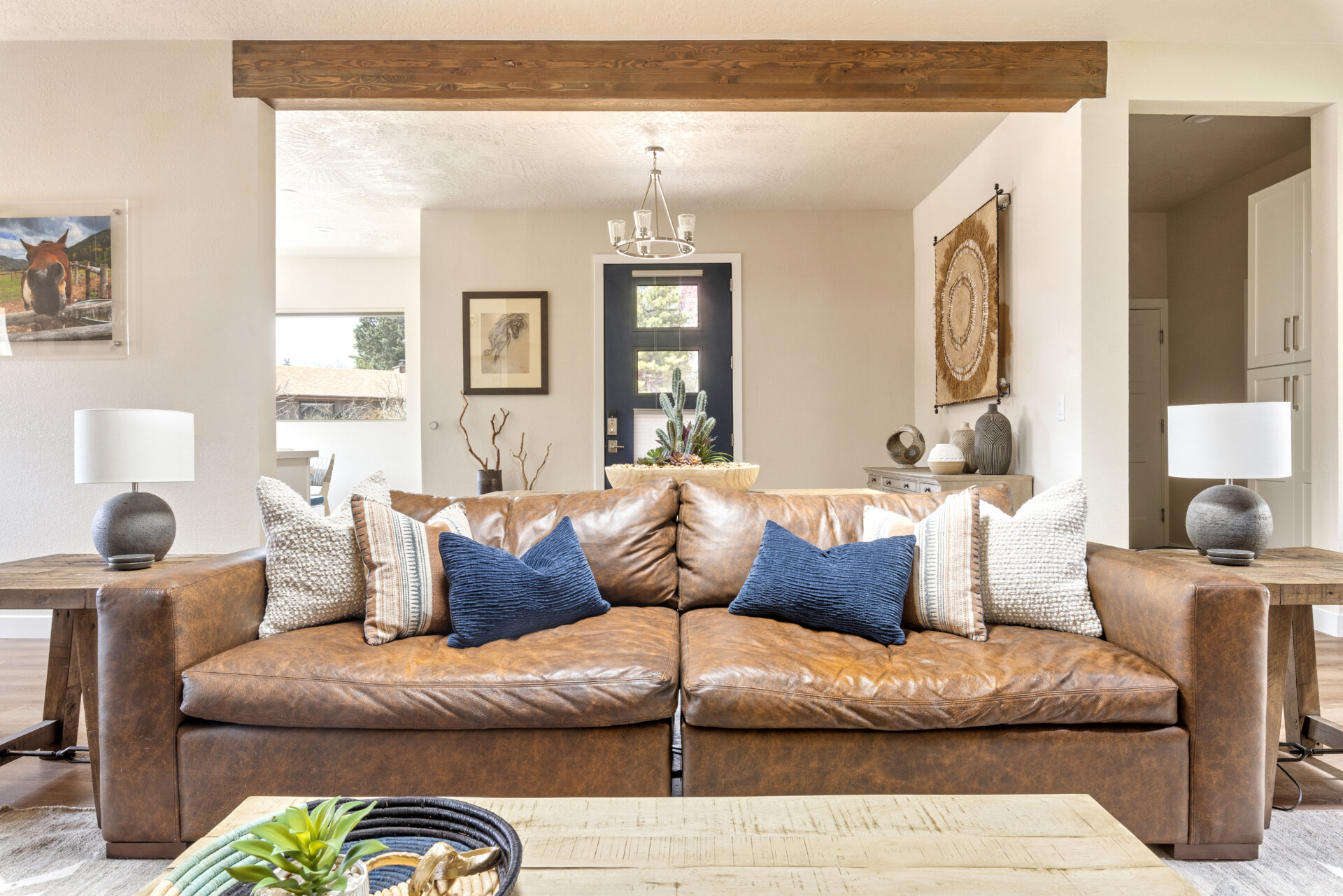
Who knew an entryway could raise so many questions? But this is the space that tells us how your home really functions, not how you wish it functioned.
2. We Notice How You Actually Live
When you think no one is watching you, we are. And we do apologize if that sounds creepy, but hear us out. This is what we see: What chair do you naturally gravitate toward? Is it positioned in a way that supports how you actually socialize? Where does the dog sleep? Are you walking around an obstacle course of furniture? Are you constantly moving things around before you can actually use a room?
The way you subconsciously move through your home is often more revealing than anything you tell us about it. Does your home support the way you live, or is it making you work around it? Good design isn’t just about what looks beautiful. It’s about removing the tiny annoyances you’ve stopped noticing because you’ve lived with them for so long.
3. We Notice the Lighting Immediately
Natural light, artificial light, layers, shadows, harshness, warmth, and how the lighting changes throughout the day all play a bigger role in how a space feels than most people realize. Where is the natural light coming from? What rooms feel dark during the day? Is the light temperature too warm or too cool?
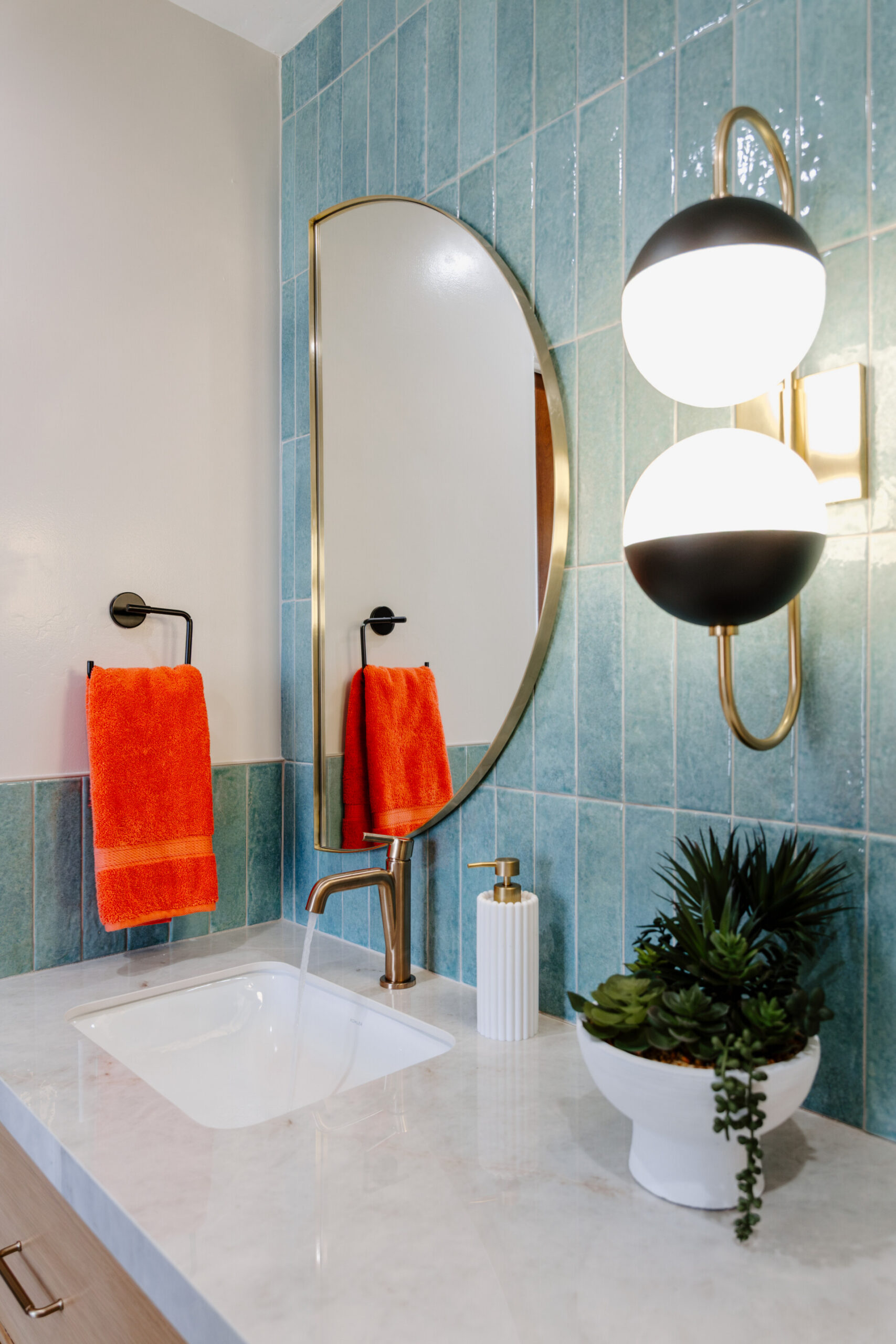
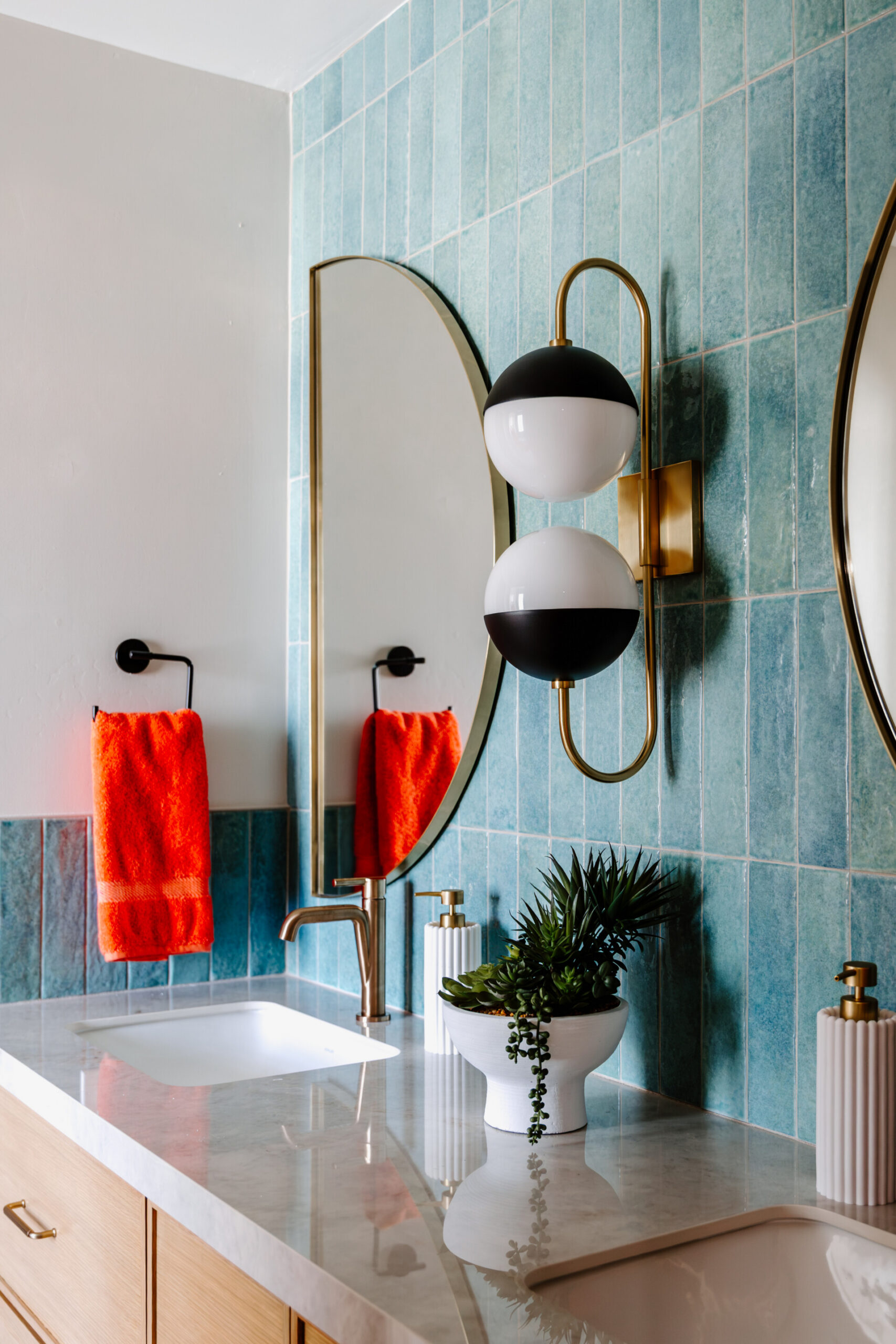
And then there are the layers. A well lit room shouldn’t rely on one ceiling fixture, or a sea of can lights, to do all the heavy lifting. We look for a combination of ambient lighting to provide overall illumination, task lighting where you actually need to see what you’re doing, and accent lighting that adds warmth, dimension, and visual interest. Think recessed lighting paired with a beautiful chandelier, sconces, lamps, and under cabinet lighting. Each layer serves a purpose, and together they allow a space to shift throughout the day and support whatever you’re doing in it.
Lighting can influence how comfortable, energized, relaxed, or even sleepy you feel in a space, yet it’s one of the things that is rarely given the attention or priority it deserves. For us, and for our clients, lighting is never an afterthought. It’s part of the design from the beginning.
4. We Notice Scale Before We Notice Style
When you shop for furniture, it’s easy to fall in love with a piece because it’s beautiful. But a piece can look incredible in a showroom and still feel completely wrong once it’s in your home. That’s because beauty is only part of the equation. Furniture proportions, rug size, the scale and eye level of artwork, window treatment length, lighting placement, and how all of those pieces relate to one another are things we always have in the back of our minds that most people simply aren’t thinking about as they’re shopping.
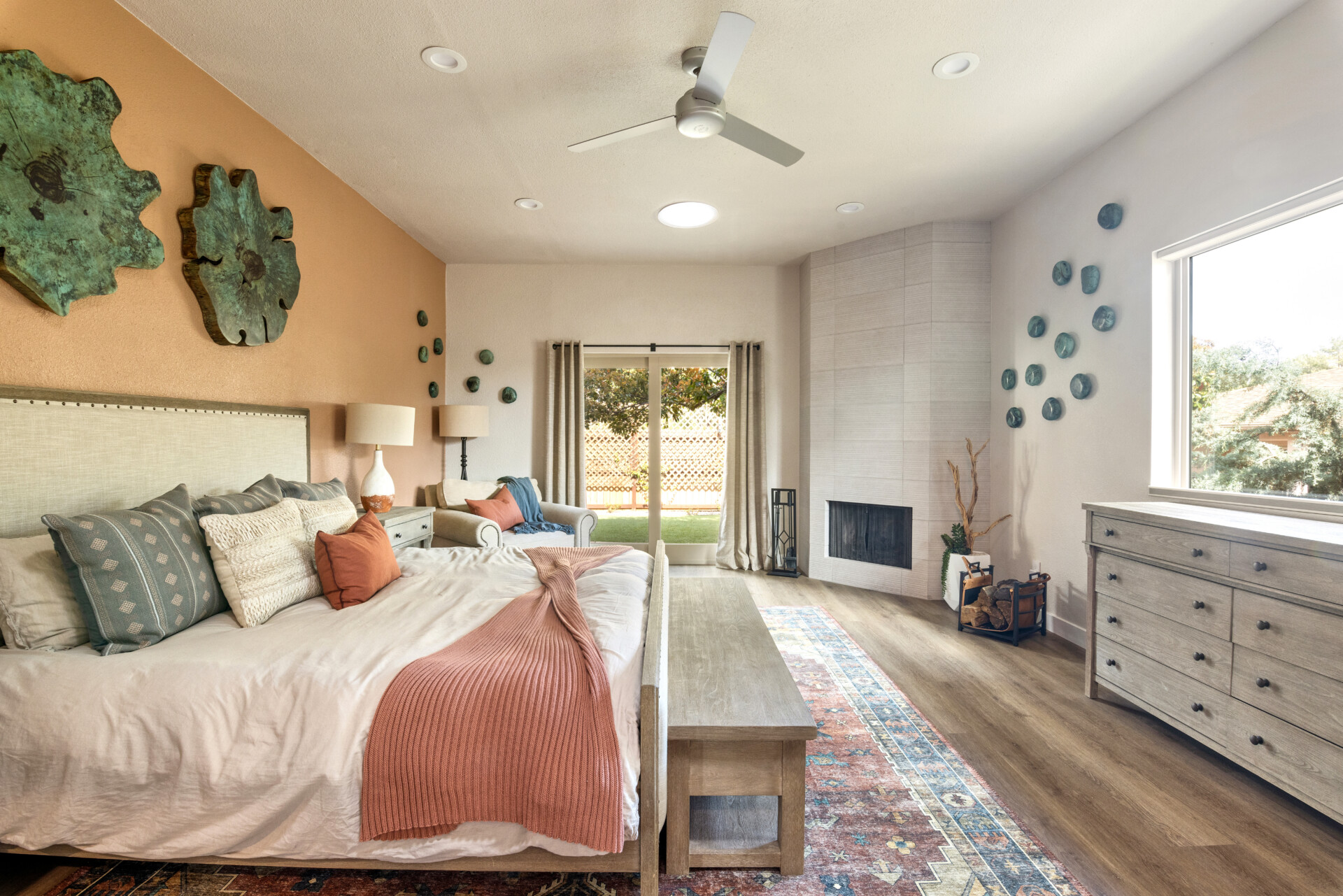
We’ll notice if the curtains are mounted too low, if artwork is undersized or hung at the wrong height, if furniture is too small or too large for the room, if the rug is the right size and properly relates to the furniture sitting on it, or if a light fixture is hanging too high or too low. None of these things necessarily make a piece “bad.” They just affect how the entire room comes together. Because ultimately, it’s not about any one beautiful piece. It’s about the relationship between everything in the room. That’s what makes a space feel as good as it looks.
5. We Notice How Your Space Makes You Feel—and Whether It Feels Like You
A beautifully designed space should still feel like you, not like a duplicate of the last five projects your designer completed, and not like a showroom where everything is beautiful but nothing feels personal.
We’re asking ourselves: Does the space evoke calming, energizing, welcoming, sterile, overwhelming, cozy, or exciting emotions? Does it reflect the people who actually use it? Does it feel collected and personal, or does it feel like it could belong to anyone? Does it seem beautifully lived in, or like no one is actually allowed to live there?
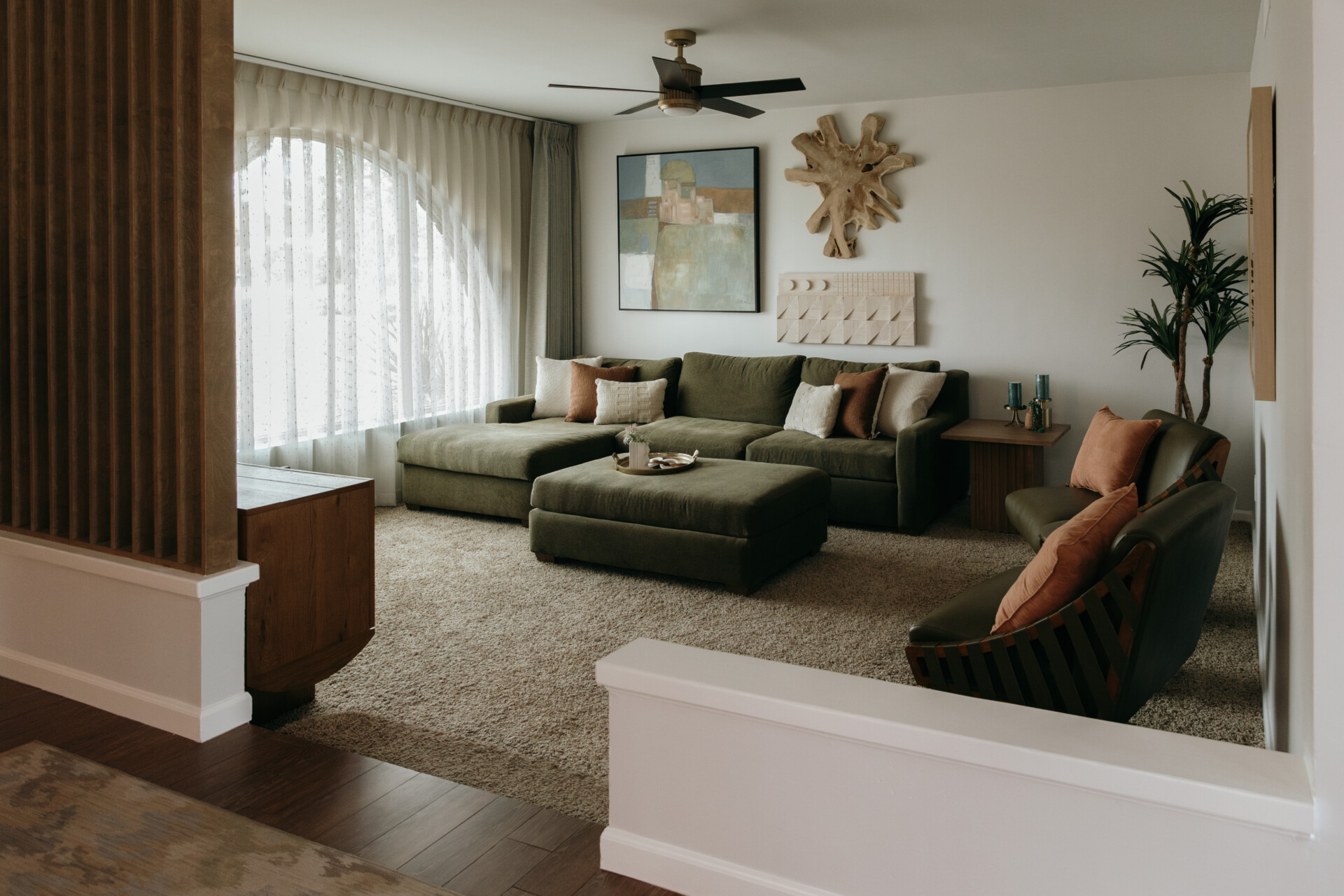
At Piece by Peace Designs, we believe the people experiencing a space should be able to see themselves in it. Your personality, your lifestyle, the things you love, the way you gather, the way you unwind—all of it should have a place in the design. Our goal is for the space to feel unmistakably like the people who live, work, gather, and experience it.
6. We Notice When Things Don’t Quite Belong Together
Not everything that feels “off” in a space is something you can put your finger on. Sometimes, it’s simply that the design and the way you live aren’t quite speaking the same language. Maybe the dining room is beautifully formal, but your family would much rather gather around the kitchen island. Maybe the kitchen is gorgeous, but the person who cooks every night has to work around an impractical layout. Maybe the living room looks beautiful, but nobody actually wants to sit in it. Or maybe the furnishings are beautiful, but there isn’t enough storage to support the way you actually live.
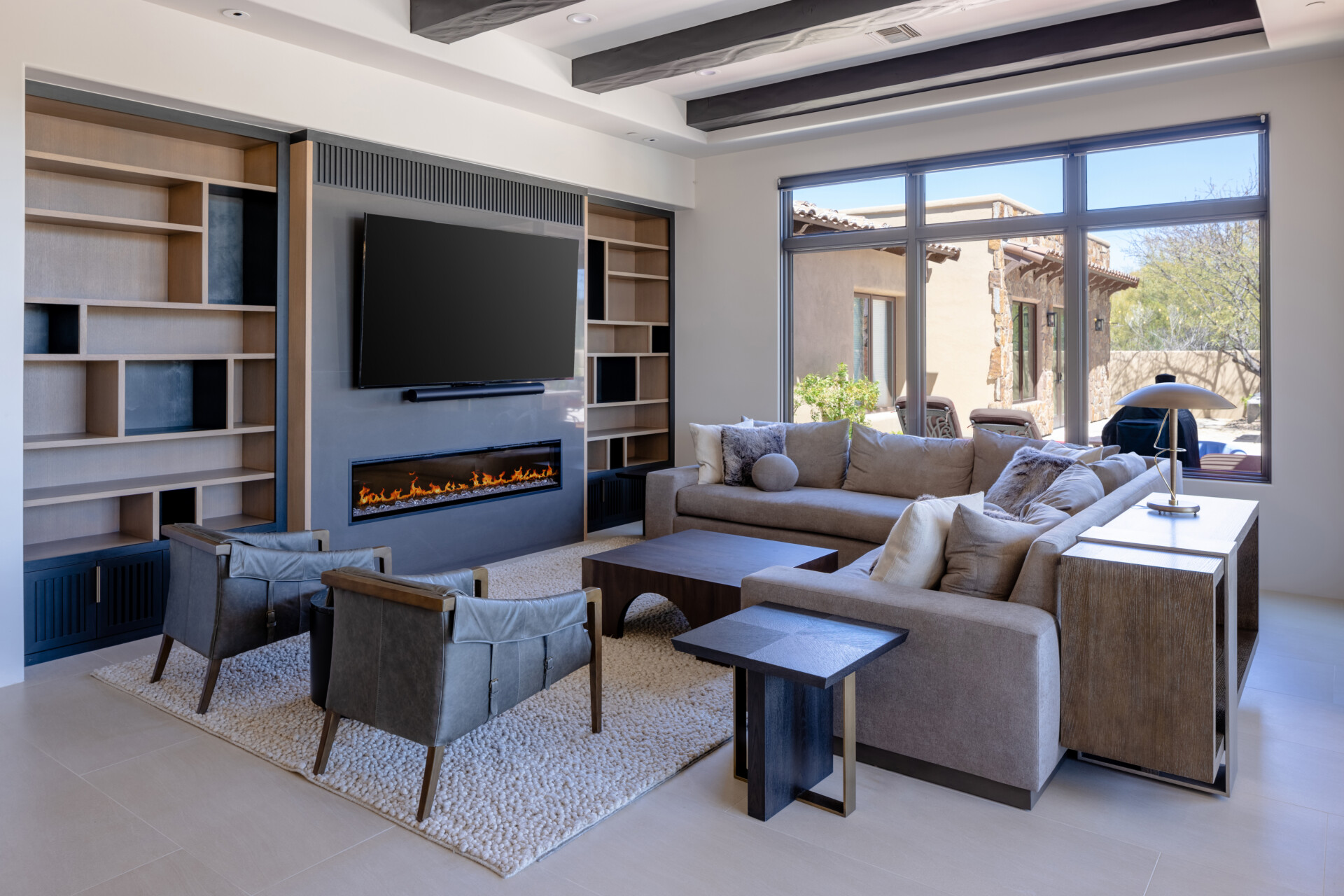
None of these things are necessarily ugly or wrong. They just aren’t aligned. That’s something we notice quickly. Because good design isn’t about creating a beautiful space and then figuring out how to live in it. It’s about understanding how you live first and creating a space that supports that life beautifully. The best-designed spaces don’t just look beautiful. They feel right. They support the way you live, reflect who you are, and make everyday life feel a little easier and a lot more enjoyable.
That’s what we’re looking for at Piece by Peace Designs. We want to understand the little things that make your life uniquely yours and translate them into a space that feels intentional, personal, and completely you. If you’re looking around your space and realizing it doesn’t quite feel that way, maybe it’s time for a fresh perspective. Let’s create a space that feels as good as it looks.